The kit and methods behind a steady camera and vision mixing day
Priya Sharma explains the camera supports, monitoring and mixing habits renyzo relies on when operating video for bulletins, studio shows and outside broadcasts through the autumn.
Priya Sharma · · 5 minutes to read
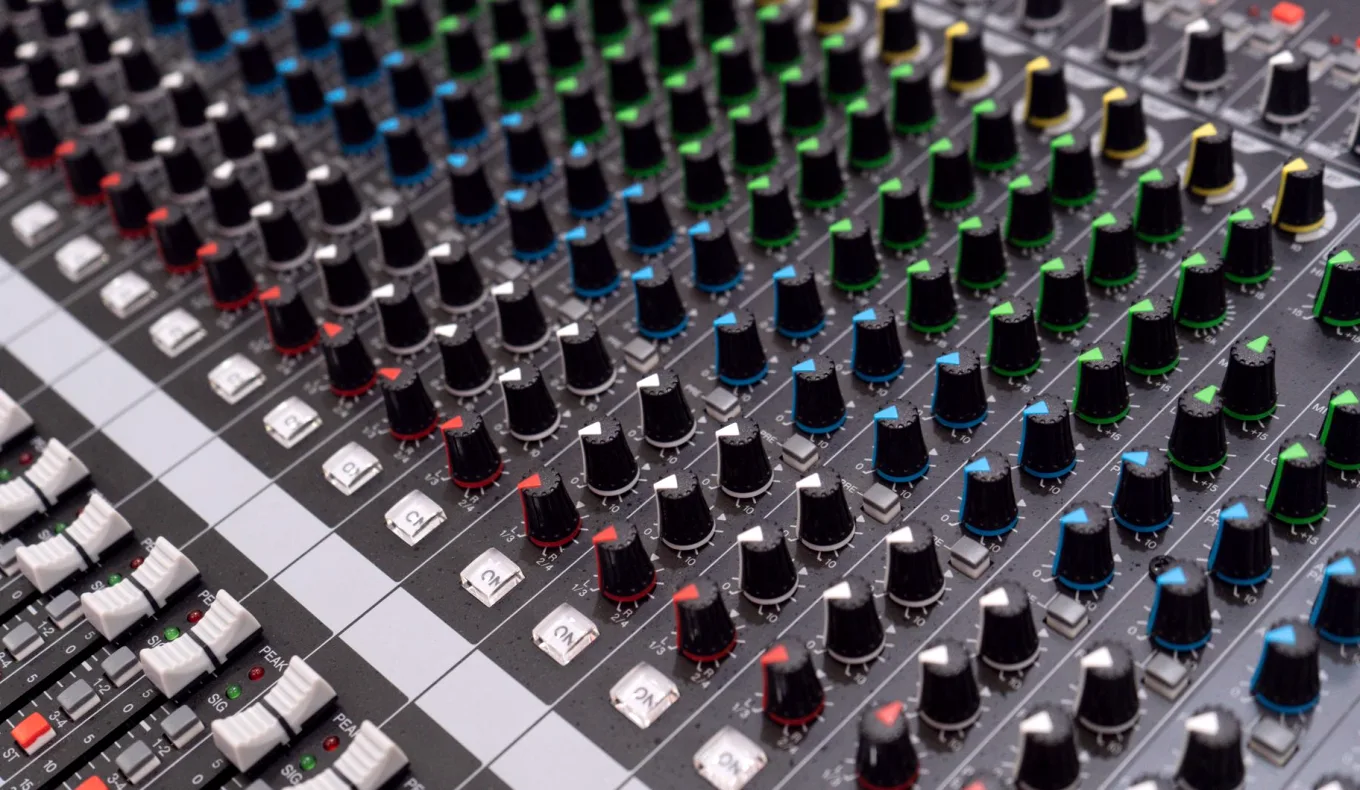
Why the method matters more than the kit list
People often ask me what cameras we carry, and I understand why. But after years on bulletins and outside broadcasts, I would say the habits around the equipment decide whether a shot is usable. A good camera in careless hands still gives a soft, drifting picture. A modest one, set up with care and checked before every transmission, gives a picture a vision mixer can rely on.
At renyzo, video operation means two linked jobs: camera operation and vision mixing. The operator frames and holds the shot, and the mixer chooses what goes to air. Each depends on the other doing the basics the same way every time. That is why we write our methods down, teach them to new operators, and repeat them on small jobs as well as large ones, so nothing is improvised when the pressure arrives.
Supports: tripod heads, pedestals and the weight of a shot
The first thing I check on any job is the support under the camera. A fluid head that is correctly balanced lets a pan start and stop smoothly, and it stays where you leave it. We balance every camera with its full load fitted, including viewfinder, battery and any prompter or microphone, because a change of a few hundred grams alters how the head behaves.
In studio work we use pedestals so the operator can adjust height without leaving the shot. Outside, a tripod on uneven ground needs spread legs, locked levels and sometimes a weighted hook, particularly when autumn wind picks up. I walk the position in advance, mark where the legs sit, and keep cables clear of them. A shaky horizon is usually a support problem long before it is an operator problem.
- Balance the camera with every accessory already attached
- Lock the level before checking the frame
- Dress cables away from tripod legs and walking routes
Monitoring: trusting what you can see and measure
A viewfinder alone is not enough to judge a picture. We rely on a calibrated monitor beside each position, plus a waveform and vectorscope for exposure and colour. Faces and skin tones are the reference. If a presenter looks a shade too warm on the scope, we correct it at the camera, not in the hope that someone downstream will fix it.
Focus assist and zebras help, but I teach operators to confirm focus by zooming in on the subject, setting it, then zooming back out. Audio matters here too. A quick listen on headphones for hum or clipping often catches a fault before the picture does. We run the same short checklist at every position, so a colleague stepping in knows exactly what has already been verified.
- Check skin tones on the scope before going live
- Confirm focus at full zoom, then reframe
- Listen on headphones for hum, clipping and dropouts
Framing and camera discipline for news and studio work
News framing follows plain conventions that exist for good reason. Leave sensible headroom, keep eyelines consistent between cameras, and avoid cutting through the joints of the body. When two presenters sit side by side, matched shot sizes let the mixer cut without a visible jump. We agree these sizes with the director before the rehearsal, not during it.
Camera discipline is quieter but just as important. Move only when the shot needs it, never while you are on air, and tell the mixer if something changes. I ask operators to keep a short note of lens settings and positions for returning shows, so the next recording starts where the last one ended. It saves time and keeps the look steady across a series of programmes.
Vision mixing: cutting with a plan, not on instinct
A vision mixer works from a script or running order, and the preparation happens well before the first cut. We mark the camera for each moment, note where graphics or remote contributors come in, and agree the cue language the whole crew will use. Short, consistent calls such as ready camera two, take two keep the gallery calm and the cuts clean.
On live outside broadcasts we also plan for things going wrong. Each camera has a known fallback, and the mixer knows which shot to hold if a source drops. We prefer a plain, well-timed cut to an elaborate transition that adds risk. The audience rarely notices a good mix, which is precisely the point of doing it carefully.
- Mark camera choices against the running order
- Use fixed cue wording across the whole crew
- Agree a fallback shot for every source before transmission
Looking after the equipment so it looks after the picture
Camera care is part of the method. Lenses are cleaned with the right cloth and blower, never a sleeve, and caps go back on between takes. Batteries are logged and rotated, cables are coiled the same way every time, and connectors are inspected for wear before they cause an intermittent fault that is hard to trace.
In mid autumn we add a few seasonal habits: rain covers packed by default, a microfibre cloth in every pocket, and extra time to let cold equipment settle before powering up in a damp environment. These are small things, and they are written into our pack lists. A camera that arrives in good order and is treated consistently is the quiet foundation of everything the operator does on the day.
None of this is glamorous, and that is the honest answer to what we rely on. Balanced supports, calibrated monitoring, agreed framing, a mixer with a plan and equipment kept in good order do more for a broadcast than any single piece of kit. If you are planning a bulletin, studio show or outside broadcast, these are the methods our crews bring to it, every time.
You may also like
-

Video Operation: A Checklist to Work Through Before You Decide
Before you book camera operation or vision mixing for a bulletin, studio show or outside broadcast, these are the questions worth settling first, in the order they usually come up.
-
Two Backup Paths for a Live Feed: Mirrored Links or a Cold Standby
Ewan Campbell compares a fully mirrored second signal path with a standby route held ready, and says which one he recommends for most live broadcasts these weeks.
Priya Sharma
Lead Camera OperatorPriya shoots news and live events and trains new operators on framing and camera care.