A regional news desk and the clips it needed by the evening bulletin
Fiona MacLeod tells the story of Morag, a news editor who needed ready-to-air clips with clear metadata on a tight turnaround, and how the package was built around her bulletin.
Fiona MacLeod · · 5 minutes to read
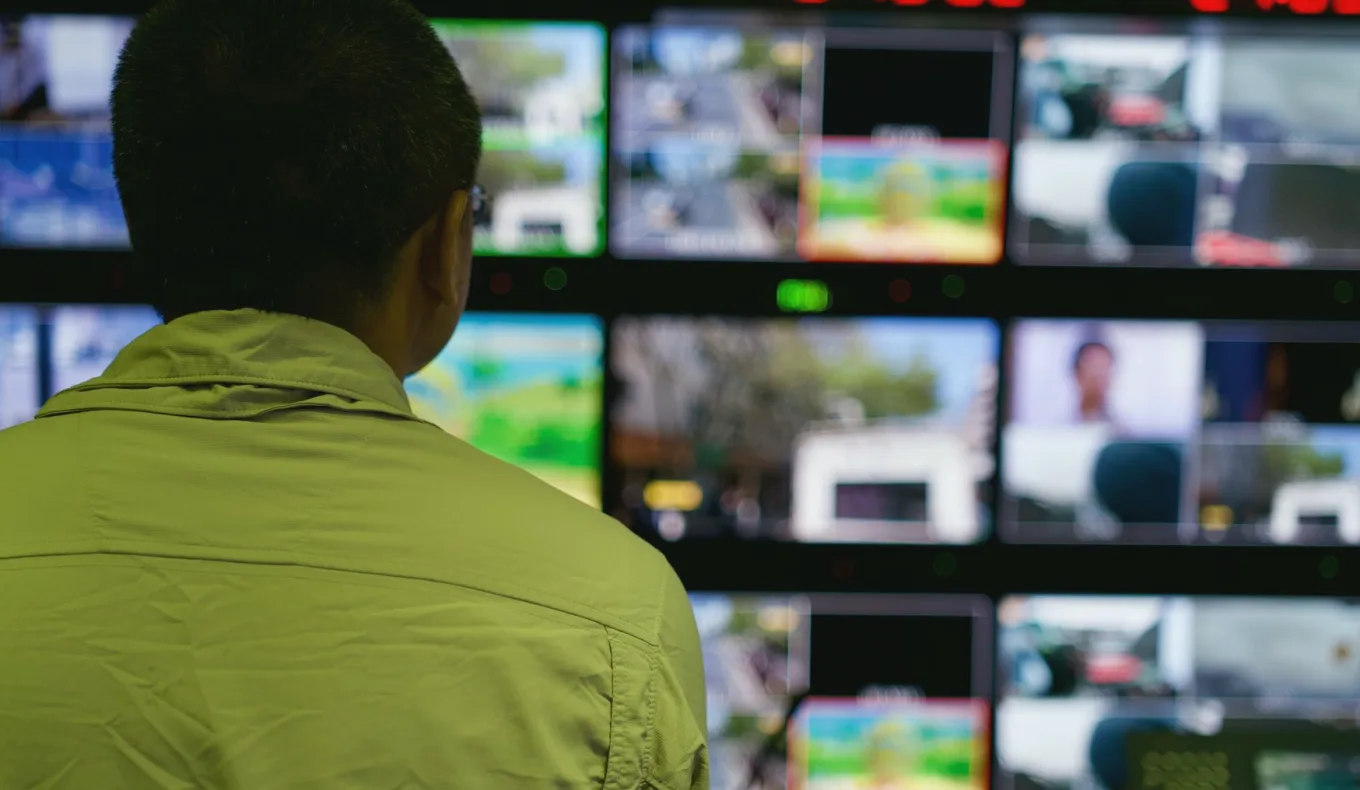
The call from Morag
Morag runs the afternoon desk at a regional news programme, and she rang us on a wet morning in these early weeks of the season. A road closure story was developing, her own reporters were stretched across two other items, and the evening bulletin had a fixed slot she could not move. She did not need a long conversation about equipment. She needed to know whether usable pictures could reach her before the edit deadline, and in what form.
I took the call myself, as I usually do when a news desk is short of time. The first thing I asked was not about cameras at all. I asked what her edit system expected to receive, how long the slot was, and who would be checking the clips when they arrived. Those three answers shaped everything that followed, and they are the reason the package worked.
What a news feed package means here
A news feed package, in the way we offer it, is a set of ready-to-air clips with the information a desk needs to use them without phoning anyone. That means footage trimmed to usable lengths, clean audio, and metadata that says what each clip shows, where it was shot, when, and who to credit. It is not raw rushes dumped into a folder with a hopeful note.
Morag's desk had been burned before by files named with a string of numbers and nothing else. An editor under pressure cannot open forty clips to find the one showing the diversion signs. So we agreed at the outset that every clip would carry a plain description and a time of capture, and that the set would arrive with a short running list she could read in under a minute.
- Trimmed clips rather than long raw takes
- Plain-language description on every file
- Time and place of capture recorded
- A one-page running list sent with the set
How the afternoon went
Priya, our lead camera operator, was already close to the area and reached the site within the hour. She shot wide establishing frames first, then the detail an editor can cut away to: the closure signs, queuing traffic, a council crew at work. She kept to steady, well-framed shots because shaky pictures cost an editor more time than a missing one.
Back at base, Ewan checked each clip against the format Morag's system required and added the metadata as the files were prepared. He sent the first batch while Priya was still shooting the last, so the desk could begin cutting before everything was finished. Staggering delivery this way is a habit rather than a favour, and it is often what makes a tight deadline possible.
What we got wrong and corrected
It was not flawless, and Morag would say the same. Our first batch labelled one clip with the road name from an older sign nearby, not the one the story was about. Her producer noticed within minutes, we corrected the file and re-sent it, and nothing reached air with the wrong label. The catch only happened because the description was written in words a person could read at a glance.
I mention it because a package is only as good as the checking behind it. After that afternoon we added a second look at place names to our routine, done by someone who did not shoot the footage. A fresh pair of eyes finds the slip that the person who was standing there will always read past.
What Morag took from it
The bulletin went out on time with the closure story leading its local section. Morag later told us that what mattered was not the pictures themselves but not having to chase anything. She had the clips, the list and a named person to ring, and she spent her afternoon on the script instead of on logistics.
She has since asked for the same arrangement when a story breaks after her own crews have gone out. We keep her preferred format, credit line and delivery method on file, so a repeat request starts from her settings and not from a blank page. That small bit of record keeping saves the most time of anything we do for her.
Questions worth settling before you ask
If you run a news desk and are thinking about a package like this, a few answers make the first job far smoother. None of them take long to find out, and having them to hand lets us start shooting sooner rather than spend the first hour on questions.
We would rather ask these at the start than discover a mismatch when clips are due. Prices depend on the length of attendance, the number of clips and how fast you need them, and the prices page sets out how that works. For a story already unfolding, ring and say so plainly; we will tell you honestly what can be ready in the time you have.
- Which file format and frame rate your edit system takes
- The slot length and the hard edit deadline
- Who credits and checks clips on your side
- How you want descriptions and credits worded
Morag's story is an ordinary one, which is the point. A news feed package does its job when the desk forgets about it and simply gets clean, labelled clips in time to use them. We still make small mistakes, and we still check twice for that reason. If your bulletin has a slot that cannot move, tell us the deadline first and we will work back from there.
You may also like
-
Vision Mixing in Plain Words: What the Vision Mixer Actually Does
A plain-words guide to vision mixing, the part of video operation where several camera pictures become one programme, and the terms you will hear in a gallery.
-
What Content Distribution Costs and What Moves the Price
A plain account of how delivery to broadcasters and streaming partners is priced, which choices raise or lower the bill, and what to settle before asking for a quotation.
Fiona MacLeod
Head of OperationsFiona coordinates crews and schedules, and has run outside broadcasts since renyzo's early years.