What the term means
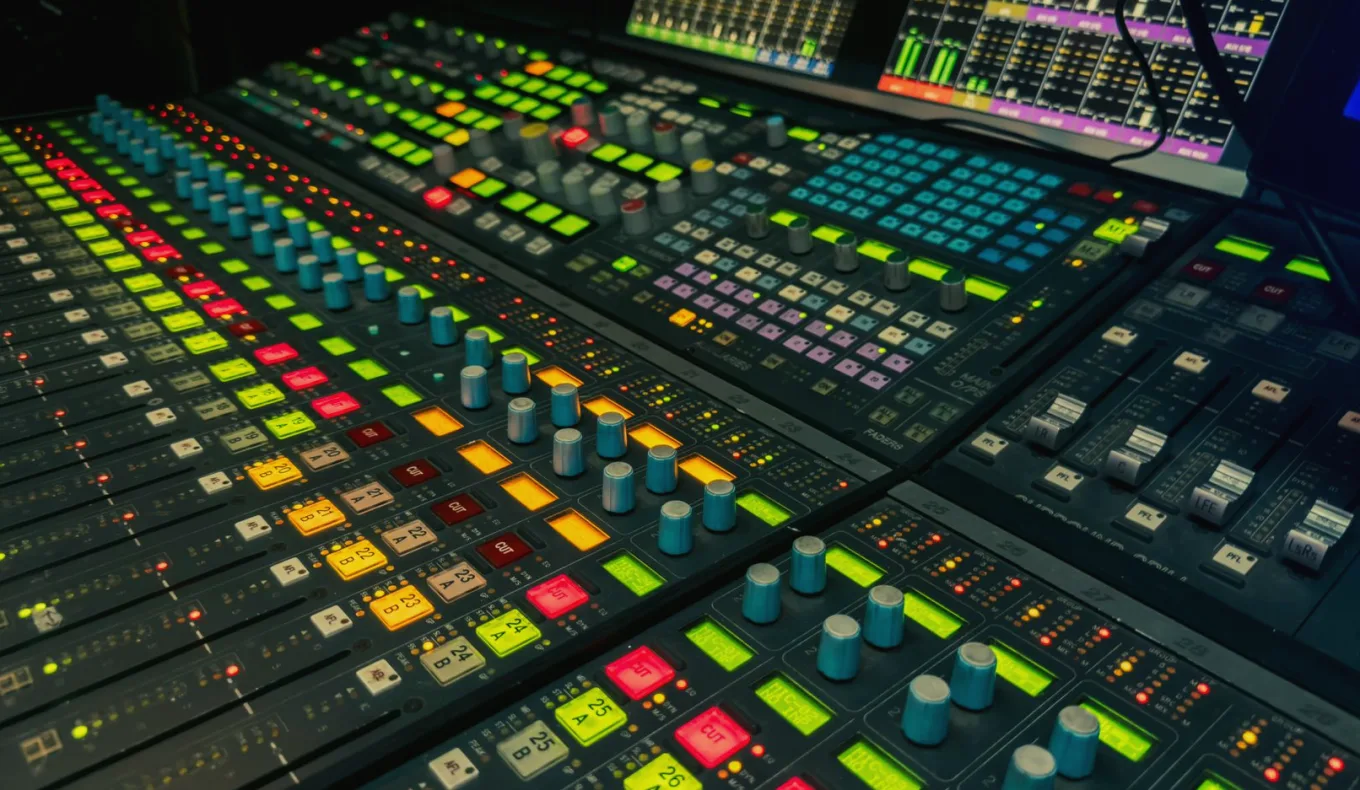
Vision mixing is the job of choosing, moment by moment, which picture goes out to the viewer. In a studio or on an outside broadcast there are usually several cameras, each pointed at something different. Only one of them, or a blend of two, can be on air at a time. The person who makes that choice sits at a desk called the vision mixer, or switcher, and presses buttons that send one source to the programme output.
It is a different job from camera operation, though the two depend on each other. The camera operator frames and holds a shot. The vision mixer decides when that shot is used and for how long. At renyzo, both sit under video operation, and we plan them together so that the person on the desk knows what each camera will be doing before the programme starts.
Programme and preview
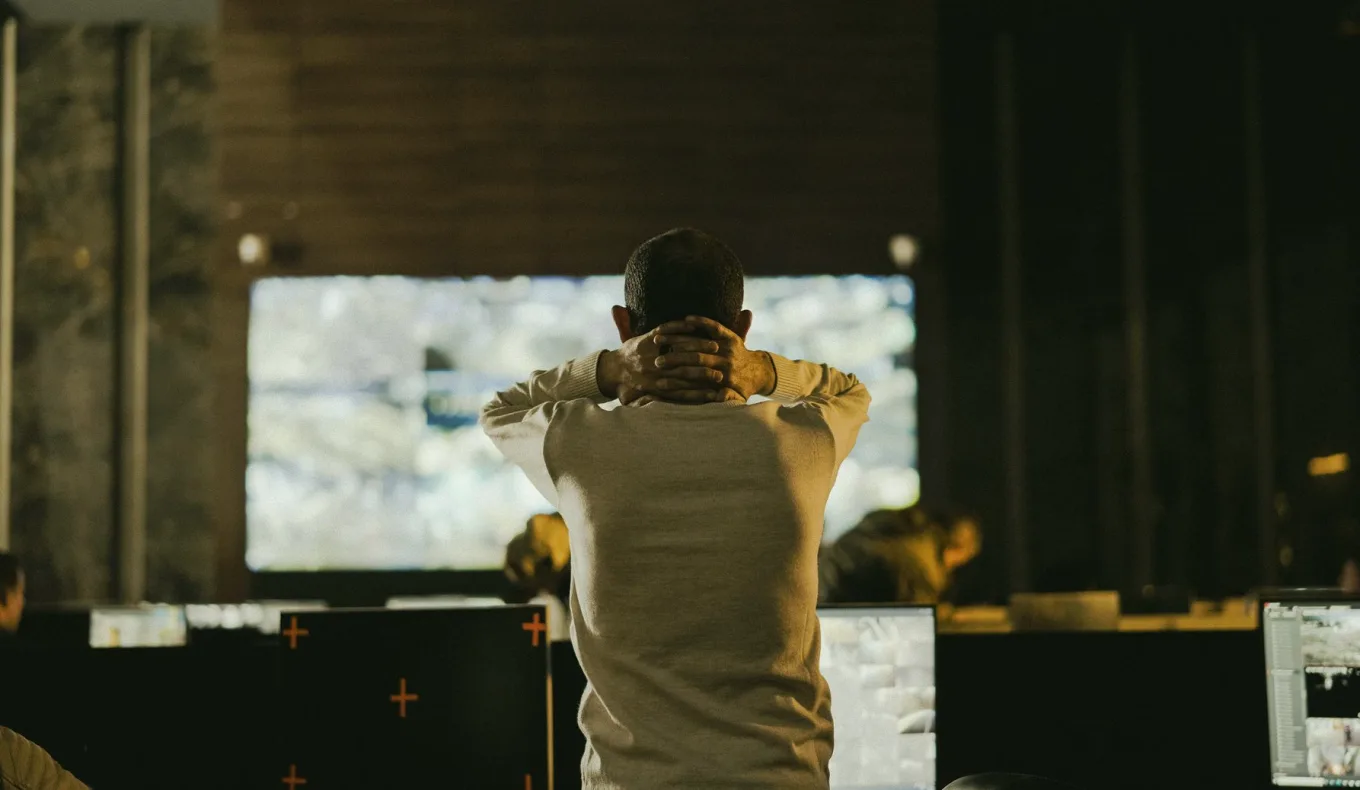
Two words you will hear constantly in a gallery are programme and preview. The programme output is what viewers see right now. The preview output is what will go to air next, shown on a separate monitor so the mixer can check it before committing. This is the quiet safeguard of the whole craft: nothing should reach the audience that the mixer has not already seen.
When a newsreader finishes a headline and the director calls for the next camera, the mixer lines up that camera on preview, confirms it is correctly framed and in focus, then sends it across. The audience sees a clean change. If the shot is wrong, it is corrected on preview and nobody outside the room ever knows.
Cuts, mixes and wipes
The simplest transition is a cut, an instant change from one picture to another. It is what you see most often in news, because it is quick and honest. A mix, sometimes called a dissolve, blends one picture into the next over a second or two and suits slower material such as a reflective feature or the close of an item.
A wipe moves one picture across the screen to reveal another. It is used sparingly now, mostly for stylised graphics or sports replays. The skill lies less in knowing the options than in choosing the plainest one that serves the moment. A bulletin that keeps changing style draws attention to the mixing instead of the story.
- Cut: instant change, the default for news
- Mix: a short blend between two pictures
- Wipe: one picture pushes across another
Working with the director
On most programmes the director calls the shots and the vision mixer carries them out. The director speaks on talkback, a private audio channel linking the gallery and crew, with phrases such as ready camera two, take two, or mix to three. The mixer answers the timing, not the idea: the call comes a moment before the button press so the change lands exactly where intended.
On smaller productions, a single operator may both choose and press, particularly for bulletins and live streams where there is no separate director. Even then we keep the habit of announcing the next shot aloud to the crew. It keeps camera operators alert and gives the whole team the same picture of what is coming.
Keys, graphics and sources
A mixer handles more than cameras. Captions, names on screen, clocks and logos are laid over the picture using a key, which cuts a graphic into the video so the two sit together. Pre-recorded clips, remote contributors and a station's own graphics all arrive as further sources on the desk, each with its own button.
This is why preparation matters before the red light comes on. Every source is named, checked and labelled so the mixer is not hunting for a clip under pressure. On an outside broadcast, we also confirm which sources come from the venue and which arrive over a link, because the latter need a backup plan if the connection is interrupted.
- Key: a graphic cut into the picture
- Source: any input to the desk, camera or clip
- Talkback: private audio between gallery and crew
What good mixing looks like
Good vision mixing is mostly invisible. Shots change when the speaker changes, a reaction is caught before the moment passes, and wide shots return to give the viewer their bearings. Mistakes are the ones people notice: a cut to the wrong camera, a shot held a beat too long, a caption left on screen after the speaker has gone.
In these darker autumn weeks, with more evening events and early light changes on location, we spend extra time on rehearsal and monitor checks. A mixer who has seen every source in advance, and agreed the plan with the director and camera crew, makes fewer corrections live and gives the broadcaster a calmer programme.
Vision mixing comes down to one decision repeated hundreds of times: which picture should the viewer see now. The vocabulary, from preview and programme to keys and talkback, is simply the way a crew keeps that decision calm and agreed. If you are planning a bulletin, studio show or outside broadcast and want to understand what the desk will be doing, ask us and we will walk you through it.