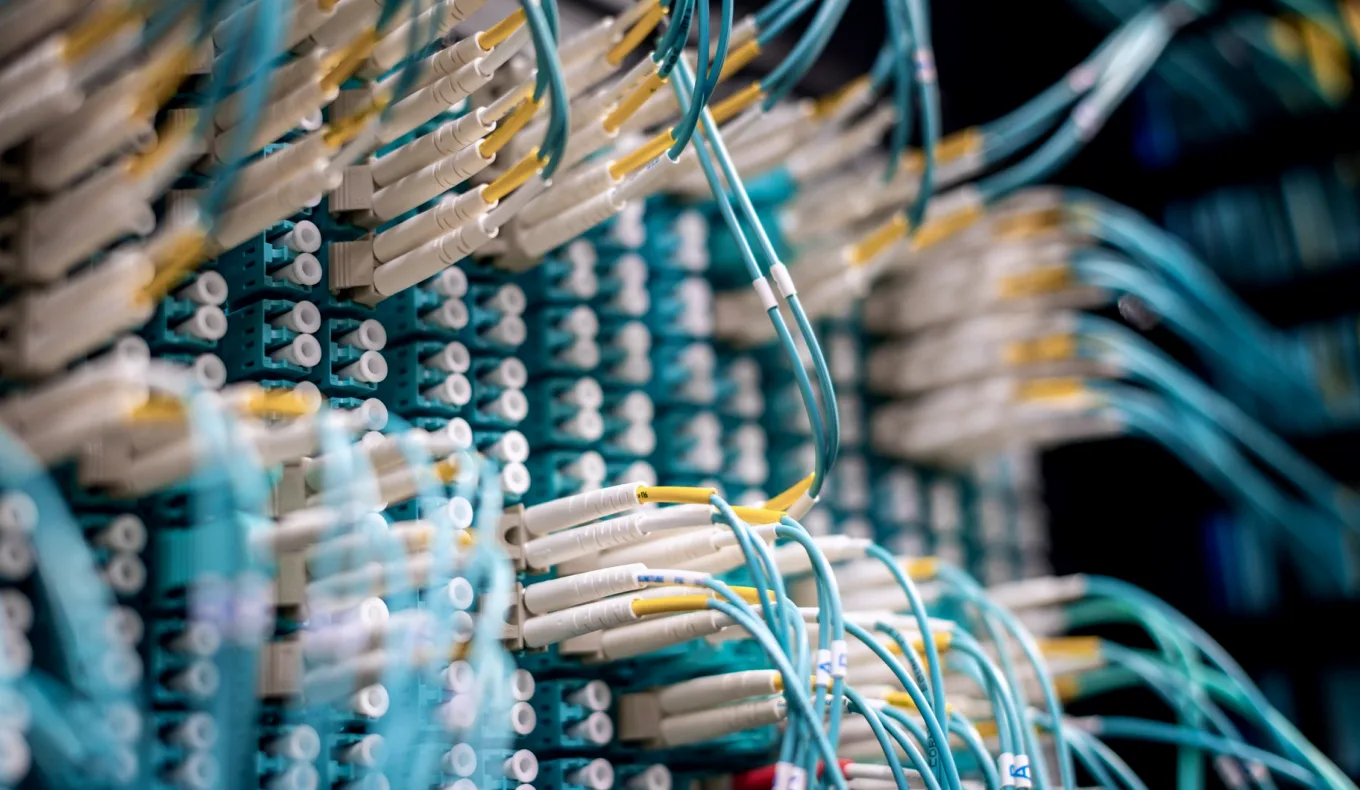
Content distribution is the last stage of what we do and, for the receiver, the only one they ever see. Cameras can be perfectly framed and signals perfectly routed, yet if the feed arrives in the wrong format, at the wrong time or without the right labelling, the programme still suffers. That is why we treat delivery as its own discipline, run from our base in Stirling, rather than a footnote to the shoot.
Our remit covers both live and finished material. Live feeds go out to television networks, news desks and streaming partners while the event is still happening. Finished feeds, such as edited packages or recorded sessions, are sent on an agreed schedule. In both cases one person is responsible for the handover, and that person is named to the receiving team before anything goes to air.
What we agree with each receiver first
Before a first delivery, we ask the receiving team a short list of practical questions. Which format and frame rate do they take? Do they want a clean feed or one with graphics? Who do we call if the picture drops, and at what number? Answers go into a written delivery sheet that both sides keep, so nobody has to rely on memory on the day.
We also settle the timing. A news desk may need a live window of ten minutes, while a streaming partner may want a whole afternoon with a lead-in before the start. We write down the start of line-up, the start of the live window and the point at which we stop sending. These small agreements prevent most of the confusion that otherwise appears at the worst moment.
Metadata gets the same attention. Slate information, running order, clip names and rights notes travel with the material, so an editor opening a file in the early hours knows what it is and where it came from.
- Format, frame rate and audio layout
- Clean feed or feed with graphics
- Live window and line-up times
- Named contact on both sides
- Metadata and clip naming
The delivery sheet in practice
The delivery sheet is a single page, and we keep it that short on purpose. It lists the receiver, the route we will use, the backup route, the contacts, and the times. When a booking changes, the sheet changes with it, and the revised version is sent to the receiver rather than corrected verbally.
On the day, the distribution manager works from this sheet and from the monitoring wall. Outgoing feeds are watched on the same terms the receiver will see them, so a fault is spotted at our end first. If something needs to switch to the backup path, the switch is made, logged and reported to the receiver in plain words, without waiting for them to notice.
Afterwards we note what was sent, when, and anything that behaved oddly. That log is short, but it is the first thing we open when the same receiver books again, and it saves a good deal of re-asking.
Live feeds and finished feeds are handled differently
A live feed has no second chance, so the preparation is heavier and the handover is quieter. We test the route with the receiver ahead of the window, hold the line open before the agreed start, and keep a second path warm in case the first one fails. The receiver sees one steady picture; the work behind it stays out of view.
Finished feeds allow more care. Files are checked for duration, audio levels and picture standard before they leave, and they are named to the receiver's own convention where one exists. A package for a news programme is sent with its running time and a short description, so the editor can decide quickly whether it fits the bulletin.
Mixing the two is common. A festival, for example, may need a live window for a news partner and a recorded set delivered later to a streaming service. We plan these as two deliveries with two sheets, because the receivers have different needs even when the material is the same.
Autumn bookings and what we are checking now
Mid autumn brings shorter days, earlier darkness and more events moved indoors, and all of it shapes how we plan delivery. Evening light changes how venues look on camera, but for distribution the more practical concern is that more broadcasters are scheduling around the same busy weeks, and line-up slots at the receiving end fill up.
For that reason we are asking producers to send their receiver details earlier than they might in summer. A name, a number and a format are usually enough to start. The sooner we have them, the sooner we can run a test with the receiving team and keep the actual broadcast day uneventful.
We are also reviewing our own backup paths ahead of the winter months, when weather can affect some routes. Nothing about the offer changes; this is routine upkeep carried out before it is needed.
What to send us when you enquire
If you would like us to handle delivery for an event or a series, a short message through the contact page is the right start. Tell us who is receiving the feed, what format they expect, and roughly when the live window or delivery date falls. If you do not yet know the receiver's technical details, say so, and we will help you ask the right questions.
We reply with a written quotation or confirmation, and prices for distribution are listed on the prices page. Ordering follows the usual route of an enquiry, a written confirmation and then an invoice paid by bank transfer, so there is a clear record of what was agreed.
If you are unsure whether you need live delivery, finished delivery or both, describe the programme and we will say which one fits.
Good distribution is mostly agreement made early and kept simple: one sheet, one named person on each side, and a backup that is ready before it is needed. Receivers rarely notice when the handover goes well, which is exactly the aim. If you have a broadcast or a series coming up this season, send us the receiver details and the timings, and we will plan the delivery around them.