It starts with a walk round the site
Before a single case is opened, someone from the crew walks the venue or festival field with the production team. I try to do this myself whenever the diary allows. We look at where the stage sits, where the sun will be at the time of the headline set, where the audience will stand, and where a camera platform can go without blocking a fire route or a sightline for paying visitors.
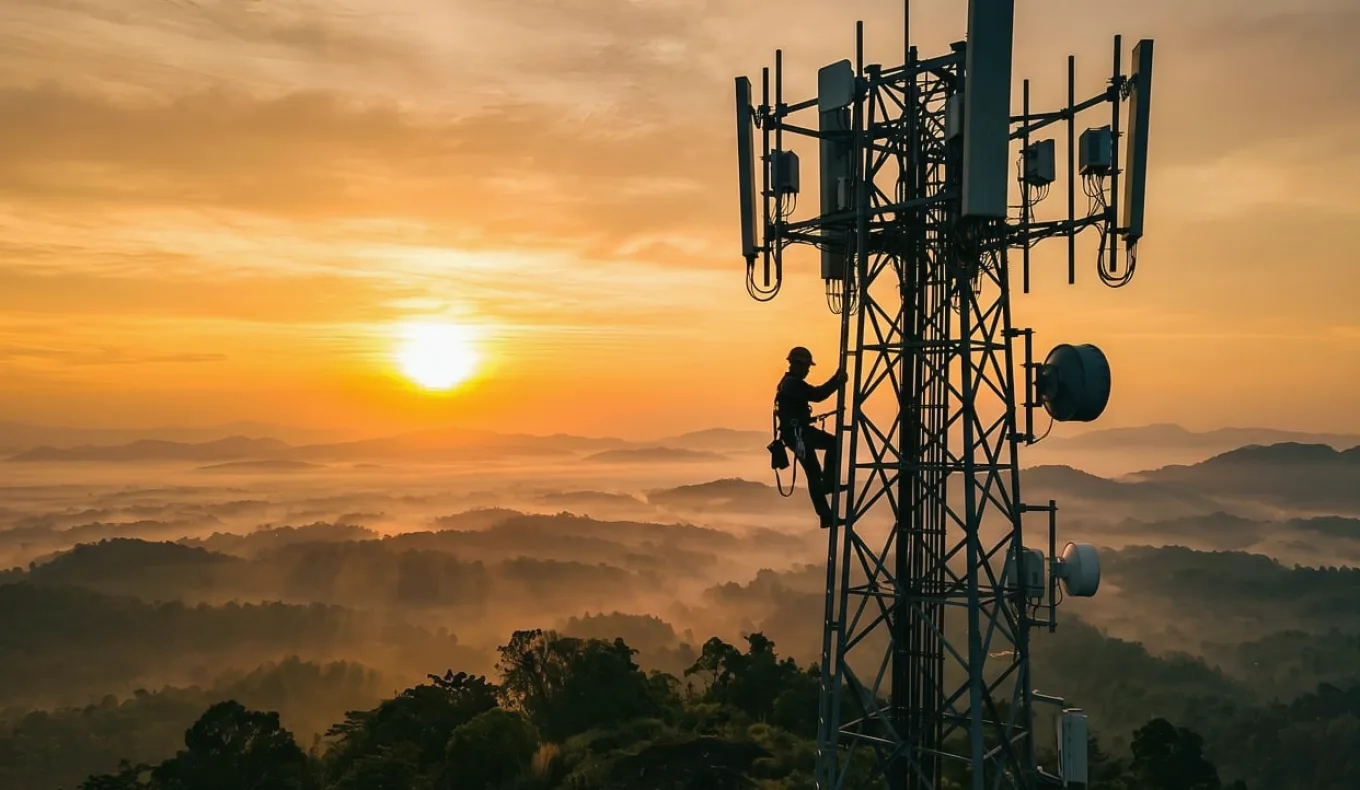
We also trace the path the signal will take. A feed that begins on a hillside field has to reach a control point, then a broadcaster, and every metre of that path needs an owner. We note where power comes from, how far the cable runs are, whether the ground floods in rain, and who on the organiser's side holds the keys to the gates and the generator.
- Camera positions and sightlines agreed with the organiser
- Cable routes and power sources marked on a simple plan
- Named contact for gates, access and stage management
Building the camera plan around the music
A multi-camera feed is a set of choices made in advance. We usually want a wide shot that always shows the whole stage, a few cameras for individual performers, and one or two positioned to catch the crowd. Priya Sharma, our lead camera operator, often says the crowd shot matters as much as the guitar solo, because it tells viewers where they are.
We then talk to the band's production manager or the festival stage manager about the running order, lighting changes and any pyrotechnics. A camera placed beside a light tower might lose its picture to glare. A platform too close to the speakers will pick up vibration. Small details like these decide whether the director has clean options to cut between during the set.
- One safe wide shot that never leaves the stage
- Performer cameras placed away from glare and speaker stacks
- Crowd cameras on stable platforms with a clear view
Rigging day and the quiet checks
Rigging usually happens the day before, or very early on the day itself. Cameras go on their mounts, cables are run and taped or covered where people will walk, and every connection is labelled at both ends. It sounds fussy, but a labelled cable saves minutes when something fails, and minutes are exactly what you do not have once the first act walks on.
Callum Reid, our senior video engineer, builds the signal path so that no single fault silences the whole feed. We run a second route for the main programme wherever the site allows it, and we test both before doors open. Intercom between the camera operators, the director and the engineer is checked last, because a crew that cannot talk to each other cannot work as a team.
- Every cable labelled at both ends
- Main and backup signal routes tested before doors open
- Intercom checked with every camera position
During the show: what the crew actually does
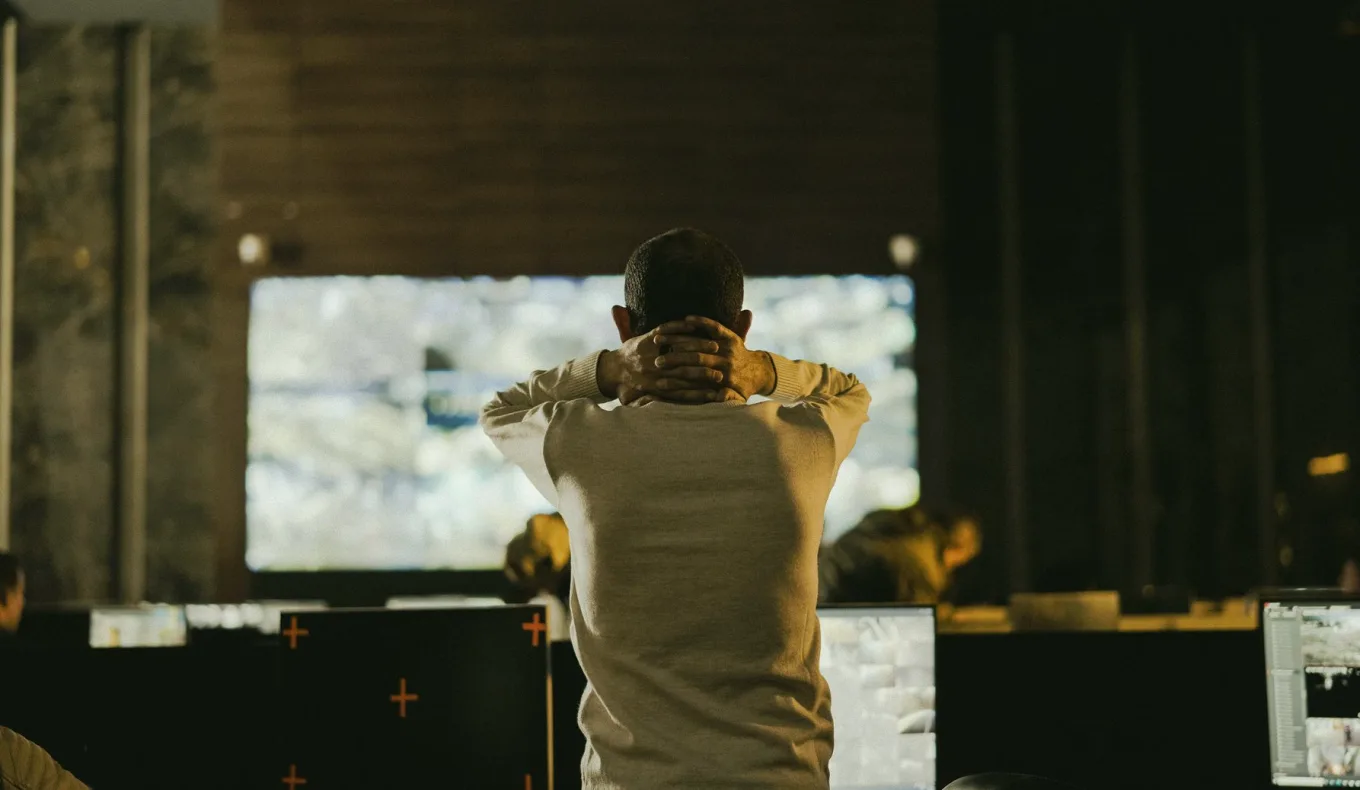
Once the music starts, the work is mostly watching and talking. The director calls shots, the vision mixer cuts between cameras, and the operators adjust framing as performers move. Quiet instructions travel over the intercom: tighten up on the singer, hold the wide, watch the left side of the stage where the drummer is about to stand.
Meanwhile the engineer watches the monitors for anything that looks wrong, such as a flicker, a dropped audio channel or a slowly climbing temperature on a piece of equipment. Most problems announce themselves early in small ways. Catching them while a song is still playing means the broadcast partner never notices anything, and that is the outcome we are aiming for every time.
- Director and operators in constant contact over intercom
- Engineer watching picture, audio and equipment health
- Backup route held ready, not used unless needed
Weather, mud and the autumn factor
At this time of year, festival and concert work has its own demands. Days are shorter, so light changes quickly and cameras that coped well at five o'clock may struggle at six. Rain is always possible, and we plan for it by bringing covers for every camera and cable junction, and by keeping equipment off the ground whenever we can.
Cold and damp are hard on batteries and connectors. We carry spares, check connections more often and allow extra time for setting up on wet ground. A feed that looked straightforward on the planning walk can become a long, muddy day, and our schedules leave room for that, because rushing a rig in poor weather is how mistakes are made.
- Rain covers for cameras and cable junctions
- Spare batteries and connectors for cold, damp days
- Extra setup time built into the schedule
Delivery, handover and what we write down
The feed is only useful once it arrives where it is needed. Ewan Campbell, our distribution manager, confirms with each broadcast partner or screen operator what format, timing and contact arrangements they expect, and we agree these in writing before the event. During the show, he watches the delivery side while the crew handles the stage side.
When the final act finishes, we do not leave straight away. We confirm with the receiving teams that everything arrived, derig carefully, and write short notes on what worked and what should change next time. Those notes go into the plan for the next event, so each job begins a little better prepared than the one before it.
- Delivery formats and contacts agreed in writing beforehand
- Receiving teams confirm the feed arrived complete
- Short debrief notes kept for the next event
A good festival feed looks effortless on screen because the effort happened earlier: the site walk, the camera plan, the labelled cables, the second route, the rehearsed handover. If you are planning an event and want to know how that preparation would work for your stage, get in touch through the contact page and we can talk through the site together.