One Autumn Bulletin Night: How Video Operation Held a Regional News Desk
A short case from these weeks: Morag's regional news desk needed a second camera operator and a vision mixer at short notice, and this is how the evening ran from first call to last bulletin.
Callum Reid · · 5 minutes to read
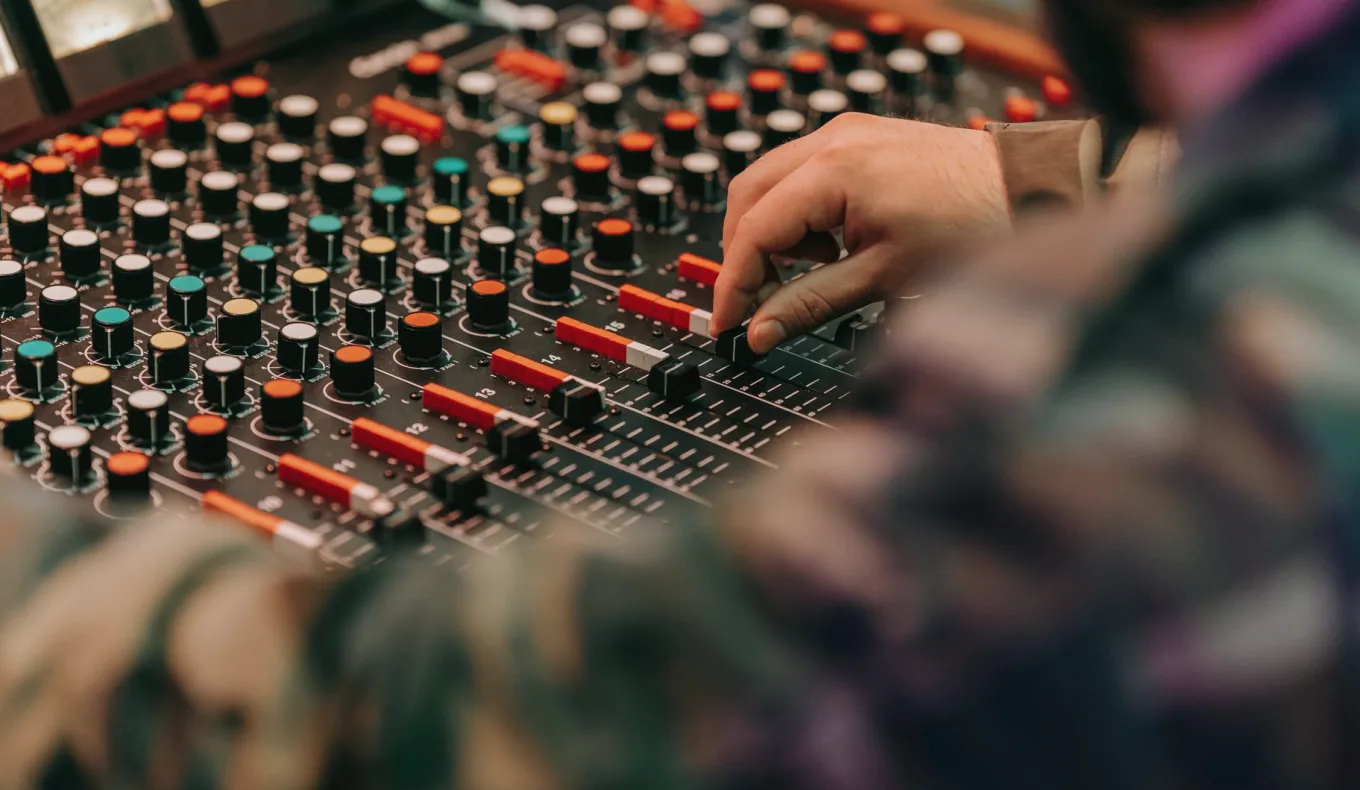
The call that came on a Tuesday
Morag runs a small regional news desk, and her evening bulletin had lost its regular camera operator to illness two days before a planned live segment. She rang the renyzo office in Stirling late in the morning, mostly to ask whether anyone could be spared. Fiona MacLeod took the call, wrote down the studio layout, the bulletin running order and the hour the link to the network had to be open, and promised a crew answer by the afternoon.
I was brought in because Morag also mentioned that her vision mixer had never worked with a second camera angle on a live item. That detail changed the job. This was no longer only a matter of supplying a pair of hands behind a lens; it meant arranging a small, calm working routine around people who would be on air within hours.
Morag was clear about what she wanted: nothing fancy, just a bulletin that looked steady and finished on time. That plain brief is easier to serve than it sounds, because it tells the crew what to protect.
What we asked before agreeing to anything
Before confirming, we asked for the running order, the number of presenters, and which items were live and which were played in. We also asked where the camera positions were fixed, and whether the studio lights were bright enough to hold a clean picture in the late afternoon dusk of mid autumn, when the windows stop helping.
Morag sent a floor sketch the same afternoon. It showed a desk, one wall screen, a corner interview spot and a doorway that cast a shadow across the weather presenter's mark. A sketch like that is worth more than a long email, since it lets an operator plan framing and cable runs without standing in the room.
We also agreed who would speak to whom. One person on Morag's side would give cues to the gallery, and one person on ours would answer. Two voices in the ear during a live bulletin is the quickest way to lose a sentence.
- Running order with live and pre-recorded items marked
- Floor sketch showing camera and presenter positions
- Time the outgoing link must be open
- One named person for cues on each side
Setting up the studio floor
Priya Sharma went to the studio early to set the second camera on the corner interview spot and to check the first camera against the desk. She spent the first half hour on small things: leaning the pedestal to remove a faint wobble, adjusting the white balance after the lights came on, and agreeing with the presenter where the eyeline should rest between items.
Back in the gallery, I set up the mixer with Morag's vision mixer, Dougal. He had mixed pre-recorded packages many times but never cut between two live cameras while a presenter was still talking. We kept the layout simple: camera one wide on the desk, camera two tight on the interview chair, the wall screen as a third source.
We rehearsed the opening and the first handover twice. Dougal's first cut was early, his second a touch late, and by the third he was cutting on the end of the sentence, which is where a cut belongs.
The bulletin itself
Once the bulletin began, the work became quiet. Priya held her framings, touched the focus only when the interviewee leaned forward, and kept her shots slightly looser than usual because a nervous guest tends to move. I stayed on the monitors beside Dougal, watching levels and the outgoing picture without speaking unless something drifted.
One moment is worth recording. During the interview, the guest's microphone gave a short crackle. Dougal noticed it before I said anything, cut to the wide shot to give the sound engineer a breath, and returned to the tight angle once the level had settled. Viewers saw a smooth change of picture.
The bulletin ran four seconds under its slot. Morag wrote that down afterwards, not as a boast but because under is the right way to be.
What Morag changed afterwards
Two days later Morag sent a short note. She had moved the interview chair a hand's width away from the doorway shadow, and she had asked Dougal to practise cutting between the two cameras on Friday afternoons when the studio is quiet. She also kept the floor sketch, now with Priya's cable routes drawn in, pinned beside the gallery desk.
None of this was dramatic. It reflects what good video operation usually leaves behind: a team that cuts and frames with a little more confidence, a floor that is better arranged, and a plan that fits on one sheet of paper.
We have since agreed a standing arrangement for her busier weeks, with the details settled by written quotation as we do for every booking. Morag still does her own cues, and Dougal still does his own mixing.
- Interview chair moved clear of the doorway shadow
- Weekly practice slot for two-camera cutting
- Floor sketch kept with the cable routes added
Video operation, in a case like Morag's, is mostly preparation and restraint. A clear running order, a floor sketch, one voice for cues and a rehearsed first handover did more for the bulletin than any equipment could have done. If your desk is short of an operator or a mixer for a few evenings, send the running order through the contact page and we will talk it through.
You may also like
-
Getting Feeds Delivered Cleanly Through the Autumn and Winter Months
Callum Reid sets out how to prepare content distribution for the darker, wetter months: delivery paths, schedules, file standards and the checks that keep feeds reaching air.
-
How We Hand Over Live Feeds to Networks and News Desks
A plain account of how renyzo's distribution desk delivers live and finished feeds to television networks, news desks and streaming partners, and what we agree with each receiver beforehand.
Callum Reid
Senior Video EngineerCallum designs signal paths and backup routes, keeping live feeds stable under pressure.